When considering which type of mulch to use in your landscape, it’s natural for homeowners to wonder: “Does pine straw attract pests?”
After all, mulch creates a comfortable environment for soil and plants — but could it also invite unwanted guests like termites, ants, or rodents? The short answer is no — pine straw itself does not attract pests when properly installed and maintained. Let’s break down the facts behind this common myth and explain why pine straw remains one of the most reliable, pest‑friendly mulch options available for Alabama landscapes.
-
Pine Straw Doesn’t Feed or Harbor Insects
Unlike wood mulch, pine straw contains very little cellulose — the organic compound that attracts termites and other wood‑feeding insects. Termites consume decaying wood, not pine needles. Because pine straw is made from dried pine needles rather than bark or chips, it doesn’t provide a food source for these pests.
As a result, most professional pest control specialists agree that pine straw is less likely to attract termites than mulch made from shredded wood.
Bonus: Long‑needle pine straw dries faster and stays less dense than many other types of mulch, meaning it doesn’t stay damp long enough for mold, fungus, or insects to settle in.
-
Moisture, Not Pine Straw, Draws Pests In
Any type of ground cover — bark, leaves, or even gravel — can attract insects if it constantly retains moisture or comes into direct contact with your home’s foundation.
Pests like ants, roaches, and earwigs are drawn to damp areas, not necessarily the mulch itself. To prevent this:
- Maintain a 6–12 inch gap between your pine straw and exterior walls.
- Avoid piling pine straw thick against siding or near door thresholds.
- Water wisely — do not oversaturate the straw layer.
Good drainage is the best natural pest repellent you can have.
-
Proper Installation Keeps Rodents Away
A thick bed of pine straw isn’t a haven for rodents unless it’s left unmaintained for long periods. To ensure your yard stays protected:
- Keep pine straw trimmed neatly around landscape beds.
- Don’t pile excessive layers near decks or crawl spaces.
- Refresh the top layer every 4–6 months to maintain an airy texture.
When pine straw is properly fluffed and evenly spread, it’s too loose to form the compact tunnels rodents need to build nests.
-
Professional Installation Minimizes Risk
Choosing professional pine straw delivery and installation ensures all best practices are followed. At Pine Straw Heroes, we:
- Prepare and clear beds before spreading.
- Keep mulch safely away from foundations and wood structures.
- Apply only enough straw (2–3 inches thick) to protect your plants while maintaining air flow.
This method keeps your landscape neat, attractive, and inhospitable to pest activity.
-
Benefits That Outshine the Myths
Not only does pine straw not attract pests, but it also offers important long-term benefits that enhance your landscape’s health:
- Improves soil moisture retention without excessive dampness.
- Protects roots and prevents weeds naturally.
- Reduces erosion and stabilizes soil on slopes.
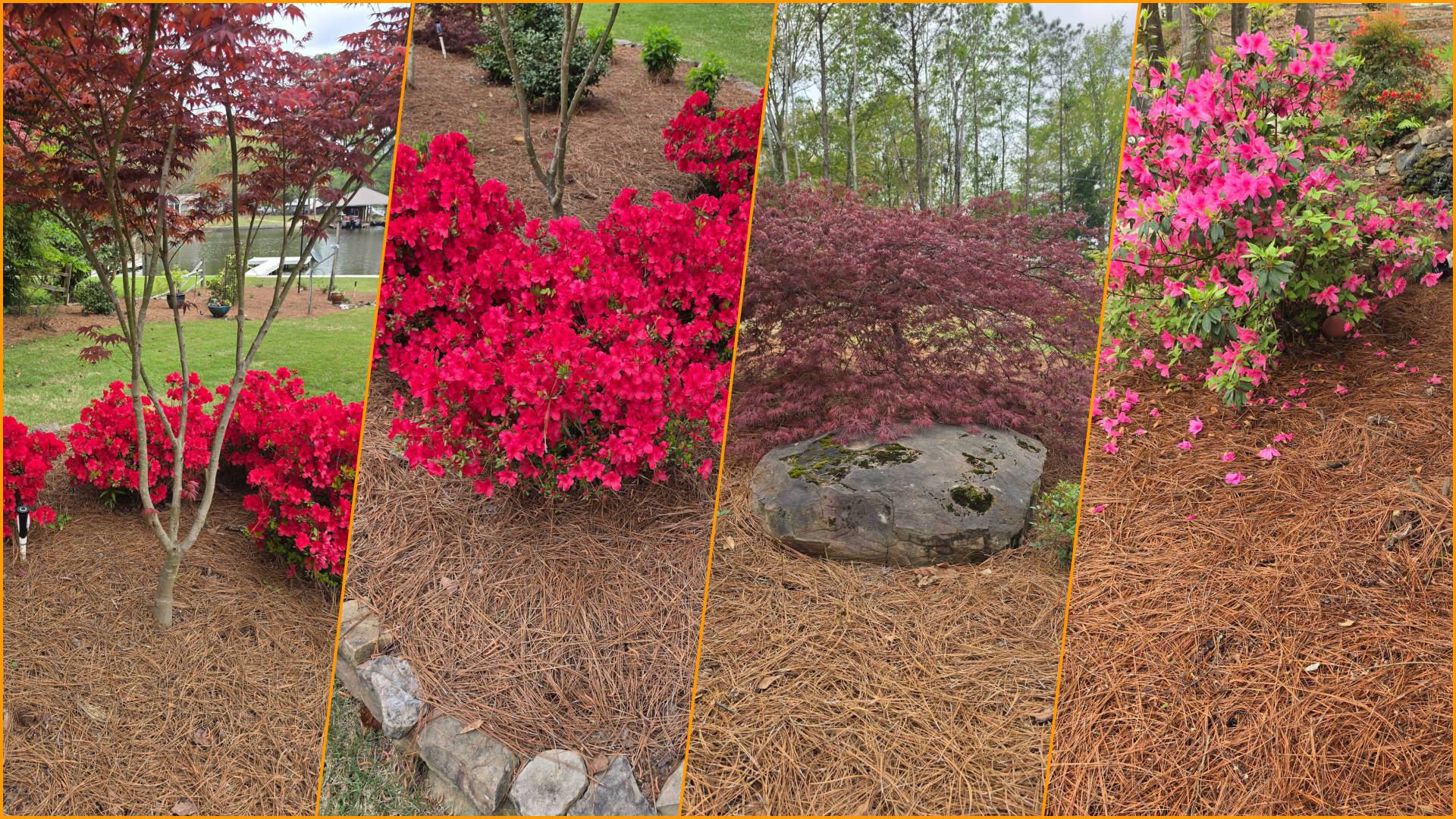
- Adds curb appeal with its rich, natural color.
When paired with smart landscape management and routine maintenance, pine straw delivers a balance of beauty, value, and protection that other mulches can’t match.
The Bottom Line
Pine straw doesn’t cause pest problems — improper mulch use does. By keeping your pine straw properly installed and maintained, you’ll enjoy all its landscaping advantages without unwelcome visitors.
For fresh, high-quality long‑needle pine straw delivery and installation, trust the professionals at Pine Straw Heroes. We proudly serve Birmingham, Hoover, Pelham, Helena, Alabaster, Chelsea, and surrounding Central Alabama areas.
📞 Call (205) 660‑7000 or request your free quote today to give your property a clean, polished look — no pests, no problems!